KAMADHENU Unpolished Rice – Preserving the Natural Goodness of Rice
₹100.00
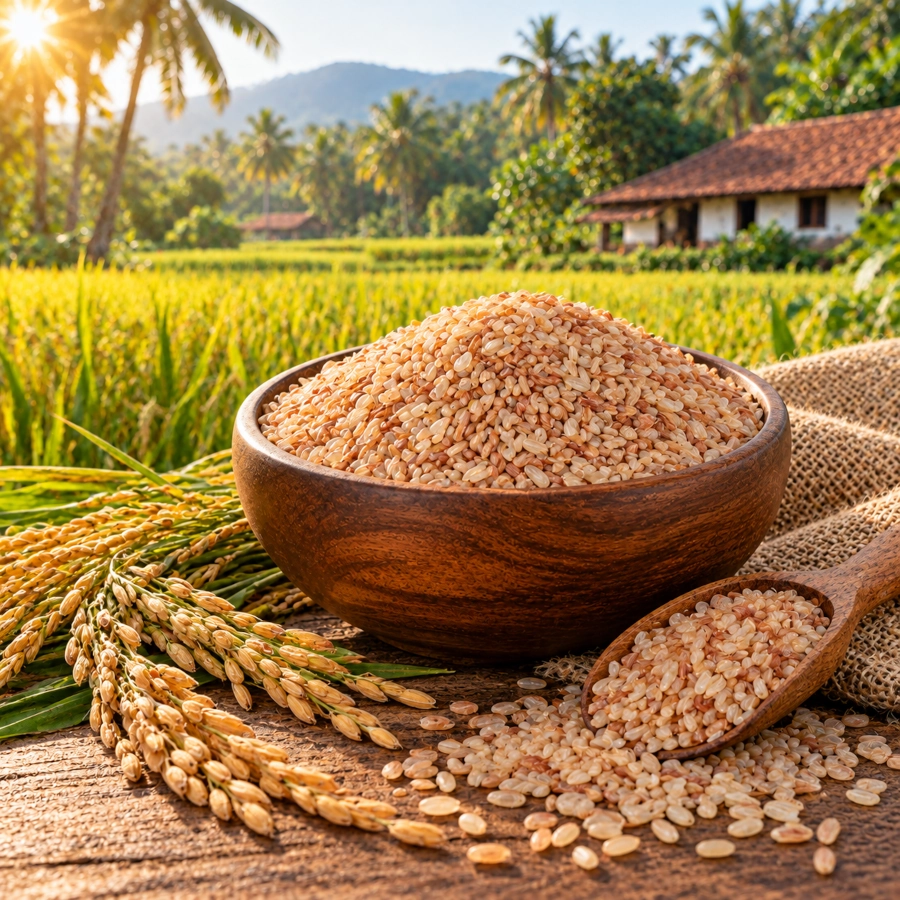
KAMADHENU Unpolished Rice is minimally processed rice that retains more of its natural bran layers than fully polished white rice. It offers a traditional grain texture and naturally occurring dietary fibre, vitamins and minerals. Suitable for everyday Indian cooking, this rice complements traditional meals prepared with vegetables, pulses and curries.
Order Now, Pay After Confirmation
- Easy Online Ordering
- Personal Order Confirmation
- Pay Securely via UPI or QR
- Delivery Details Shared by Our Team
- Postal Charges Extra
Description
KAMADHENU Unpolished Rice brings the traditional character of minimally processed rice to everyday Indian meals. Unlike fully polished white rice, unpolished rice retains more of its natural bran layers, which contribute dietary fibre and several naturally occurring nutrients.
Rice has been cultivated across the Indian subcontinent for thousands of years and remains one of the country’s most important staple foods. Traditional rice varieties form an essential part of India’s agricultural heritage and regional food culture.
KAMADHENU brings this familiar staple to its growing collection of traditional Indian foods, offering customers an alternative to heavily polished rice.
What Makes Unpolished Rice Different?
Rice grains naturally consist of several layers, including an outer husk, bran, germ and starchy endosperm.
During rice processing, the inedible outer husk is removed. Further polishing removes varying amounts of the bran and germ, producing the familiar white rice consumed in many households.
Unpolished rice undergoes less milling, allowing more of these outer grain components to remain intact.
As a result, unpolished rice generally has a firmer texture, a more pronounced grain flavour and a different nutritional profile compared with fully polished white rice.
However, the exact characteristics depend on the rice variety and degree of milling.
Nutritional Value of Unpolished Rice
The bran and germ of rice contain dietary fibre, certain B vitamins, minerals and other naturally occurring compounds.
Because unpolished rice retains more of these components, it generally provides more dietary fibre and certain micronutrients than comparable fully polished white rice.
The nutritional composition varies with the rice variety, growing conditions and processing method.
Like other rice varieties, unpolished rice is primarily a source of carbohydrates and provides energy for daily activities.
Its nutritional contribution is best understood as part of a balanced diet that includes vegetables, pulses, adequate protein and other food groups.
Unpolished Rice in Traditional Indian Food Culture
Rice has played a central role in Indian agriculture and food traditions for centuries.
Different regions developed their own rice varieties, cultivation methods and culinary preparations according to local soil conditions, rainfall patterns and food preferences.
In Kerala, rice remains closely associated with everyday meals, festivals and agricultural heritage. Traditional preparations include steamed rice served with vegetables, pulses, curries and other regional dishes.
Unpolished and partially milled rice varieties continue to be appreciated by consumers who prefer traditional grain textures and less intensive processing.
A Natural Source of Dietary Fibre
One of the distinguishing nutritional characteristics of unpolished rice is its greater retention of dietary fibre compared with fully polished rice.
Dietary fibre contributes to normal digestive function and supports a varied, balanced diet.
The amount of fibre depends on how much bran remains after milling.
Unpolished rice should not automatically be described as low in carbohydrates or suitable for every person with diabetes. Portion size, rice variety, preparation and the overall meal influence its effects on blood glucose.
Cooking Unpolished Rice
Unpolished rice generally requires more water and a longer cooking time than fully polished white rice, although the exact requirements depend on the grain variety.
Rinsing the rice before cooking helps remove surface dust and loose particles. Some varieties benefit from soaking, which can reduce cooking time and improve texture.
Cook the rice thoroughly until the grains reach the desired softness.
Unpolished rice pairs well with traditional Indian vegetable curries, dal, sambar and other everyday dishes.
Storage and Handling
Store KAMADHENU Unpolished Rice in a clean, dry and airtight food-grade container.
Protect the grains from moisture, insects and excessive heat.
Because bran layers contain natural oils, unpolished rice can have a shorter storage life than fully polished white rice, particularly in warm or humid conditions.
Follow the manufacturer’s declared best-before date and storage instructions.
Cooked rice should be cooled promptly and refrigerated if it will not be eaten soon. Improper storage of cooked rice can allow harmful bacteria, including Bacillus cereus, to multiply.
KAMADHENU – Celebrating India’s Traditional Food Heritage
KAMADHENU brings together traditional Indian food products, natural edible oils and selected household essentials inspired by the country’s agricultural and cultural heritage.
Our collection includes cow ghee, gingelly oil and other familiar products that reflect the enduring relationship between Indian agriculture and everyday living.
Unpolished Rice adds an important staple food to this collection, supporting greater awareness of traditional grains and their place in a balanced diet.
Discover KAMADHENU Unpolished Rice and bring the familiar character of traditional Indian grains to your everyday meals.
Additional information
| Product Form | Whole Grains |
|---|---|
| Pack Size | 1 kg |
| Traditional Name | Tandula (तण्डुल) |
| Botanical Name | Oryza sativa |
| Processing Method | Unpolished / Minimally Milled |